
May 01, 2026
Everything you need to know about the long search for the Doctor’s missing adventures...
Wait, what – there are missing episodes?
Yep. You’ll know there are nearly 900 episodes of Doctor Who, but of those, just under a hundred are missing. And when you look back on the history of the show, it’s a marvel that any have survived.
So why are there missing episodes?
When Doctor Who first started, television was seen as a temporary medium – an experience like the theatre that happened once. If a repeat was required during the ‘50s and ‘60s, the cast just came back and performed it all over again.
For example, both performances of Nigel Kneale’s mountaineering yeti horror The Creature were interrupted by the studio janitor sweeping up the snow so he could go home early.
(The actors’ union Equity also objected to the idea of repeats as doing their members out of work.)
Couldn’t they just record it?
In the early days a reliable method of recording television didn’t even exist. Attempts to record 1953 sci fi drama The Quatermass Experiment were abandoned as unsatisfactory after a couple of episodes (one featuring a curious fly snuggling up on the screen).
Plus, in those days there was no such thing as a BBC Archive of productions because neither the BBC nor the general public thought of television as something that could, or should, be preserved.
Add to that the simple cost: each videotape was the price of a car (ie, very expensive), so once the episode had been broadcast, the videotapes were wiped and re-used. And this was done by the BBC’s Engineering department who owned the tapes.
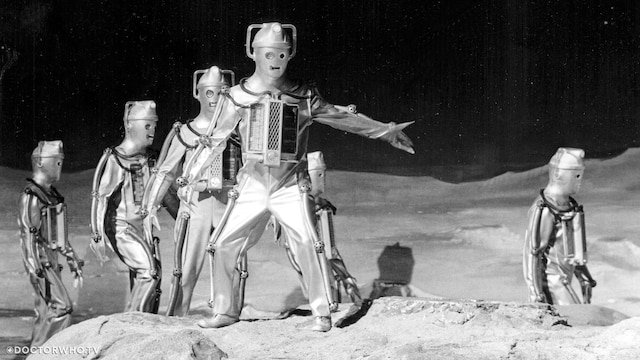
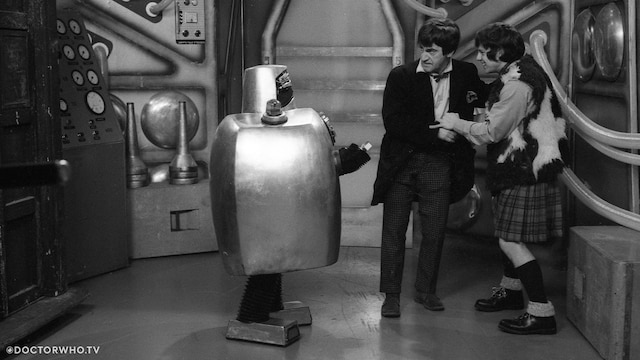

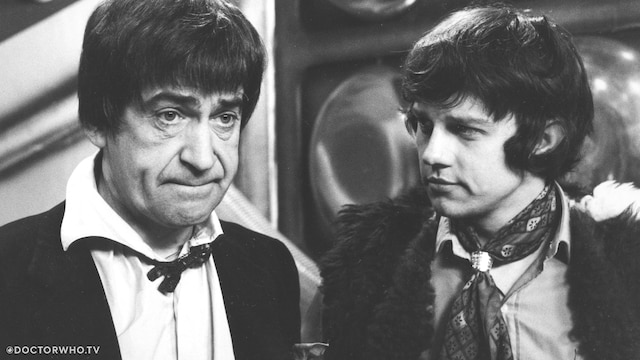
So Doctor Who didn’t even own the tapes it was recorded on?
Correct. Luckily, the show’s fans stepped in. Although home video recorders didn’t exist during the show’s early years, we still have soundtracks going right back to the first episodes because fans recorded them off the tv onto reel-to-reel tape recorders.
(Believe it or not, a few brief seconds from missing episodes of the first season’s The Reign of Terror exist thanks to a fan pointing their home movie camera at the screen.)
So what changed?
Luckily, Doctor Who was seen as having resale value abroad by the BBC’s commercial department, BBC Enterprises. And this is why so many episodes survive.
The BBC Film library obligingly arranged to have 16mm film recordings made of the episodes so that BBC Enterprises could sell them around the world. Sometimes they’d make Enterprises several copies and these prints would be “bicycled” from country to country as various television stations showed them their allotted number of times and then sent them on to the next.
So, the BBC Film library had a complete run of Doctor Who on film, as did BBC Enterprises, with the show in circulation around the world.
When did episodes of Doctor Who go missing?
The wiping of videotapes began in the 1960s, even if some of the master tapes (such as Fury from the Deep) were still in existence.
Then in 1972, colour television really took off, rendering older black and white shows like Doctor Who as ‘old’. Foreign broadcasters gradually stopped asking for them and with no demand, they withdrew them from sale.
And if you were a foreign broadcaster and you’d finished showing your allotted airings of, say, Marco Polo, you had several options, one of which was to send it on to the next broadcaster in the chain. That broadcaster was then supposed to send it back to the BBC or destroy it.
So from 1972 as film recordings came back to BBC Enterprises, they were deemed obsolete, and incinerated. After all, they figured, the BBC Film library had the master prints.
Meanwhile, the BBC Film library looked at its shelves and wondered why it was keeping old black and white copies of a show it didn’t even make. It thought BBC Enterprises had copies, so cleared some much-needed shelf space and threw out their tapes.
So how did missing episodes of Doctor Who survive?
It was thanks to a lady called Sue Malden. Not long after 1974, the BBC formed the Film & Videotape Library and appointed Sue as its first archive selector. Her job was to start working out systematically what the BBC had left of its history and how to preserve it.
She was given a choice of two shows to start as a pilot recovery project: Doctor Who or Z-Cars. Guess which one she chose.
Sue quickly discovered the old BBC Film library was wiping its copies assuming that BBC Enterprises had a full set. And that BBC Enterprises was wiping its versions, happy in the knowledge that the BBC Film library had it.
Put simply, the two departments weren’t checking with each other and it’s because she put a full stop to it that so much of the early years of Doctor Who survives. She then got a list from BBC Enterprises of who it’d sold copies to and went about contacting them.
But Sue’s work would not be complete without a legion of fans and film collectors.
Which episodes of Doctor Who are missing?
The black and white era of Doctor Who is obviously the worst affected. 1964’s Marco Polo is the first entirely missing story. However, it’s amazing that any of The Daleks’ Master Plan survives – although copies were made for international sale, Australia rejected it as too violent, and so it doesn’t seem to have entered circulation.
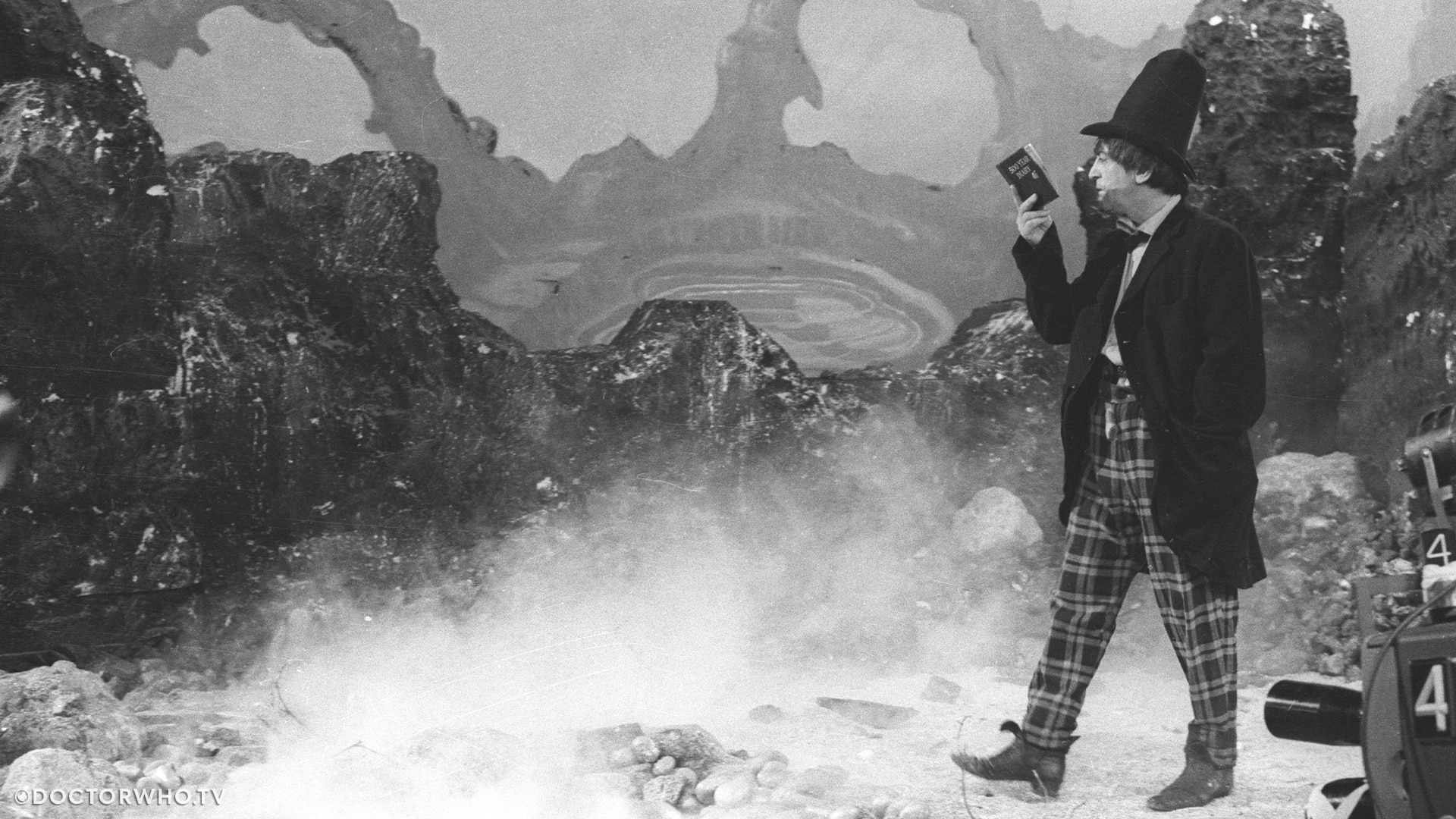
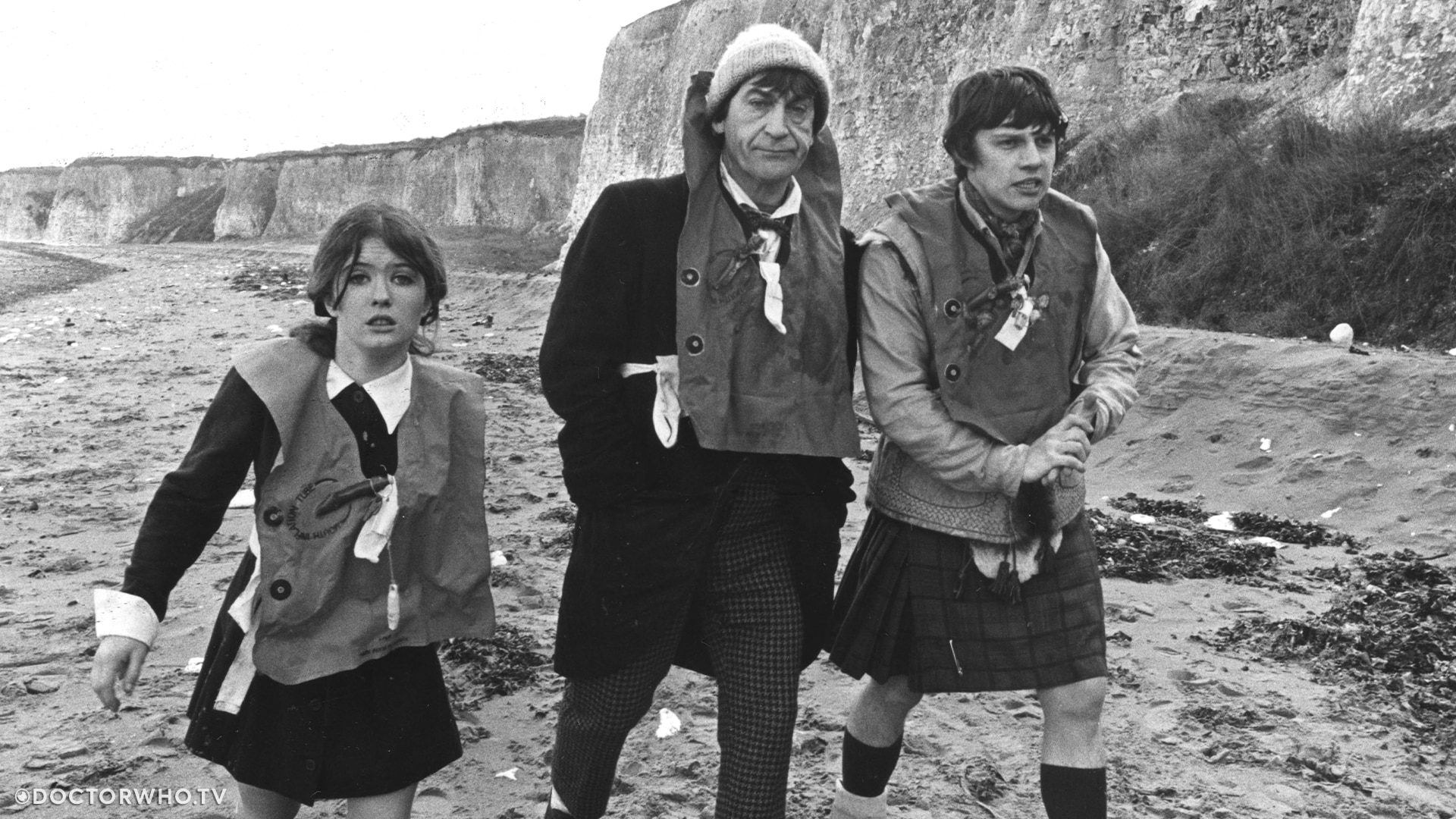
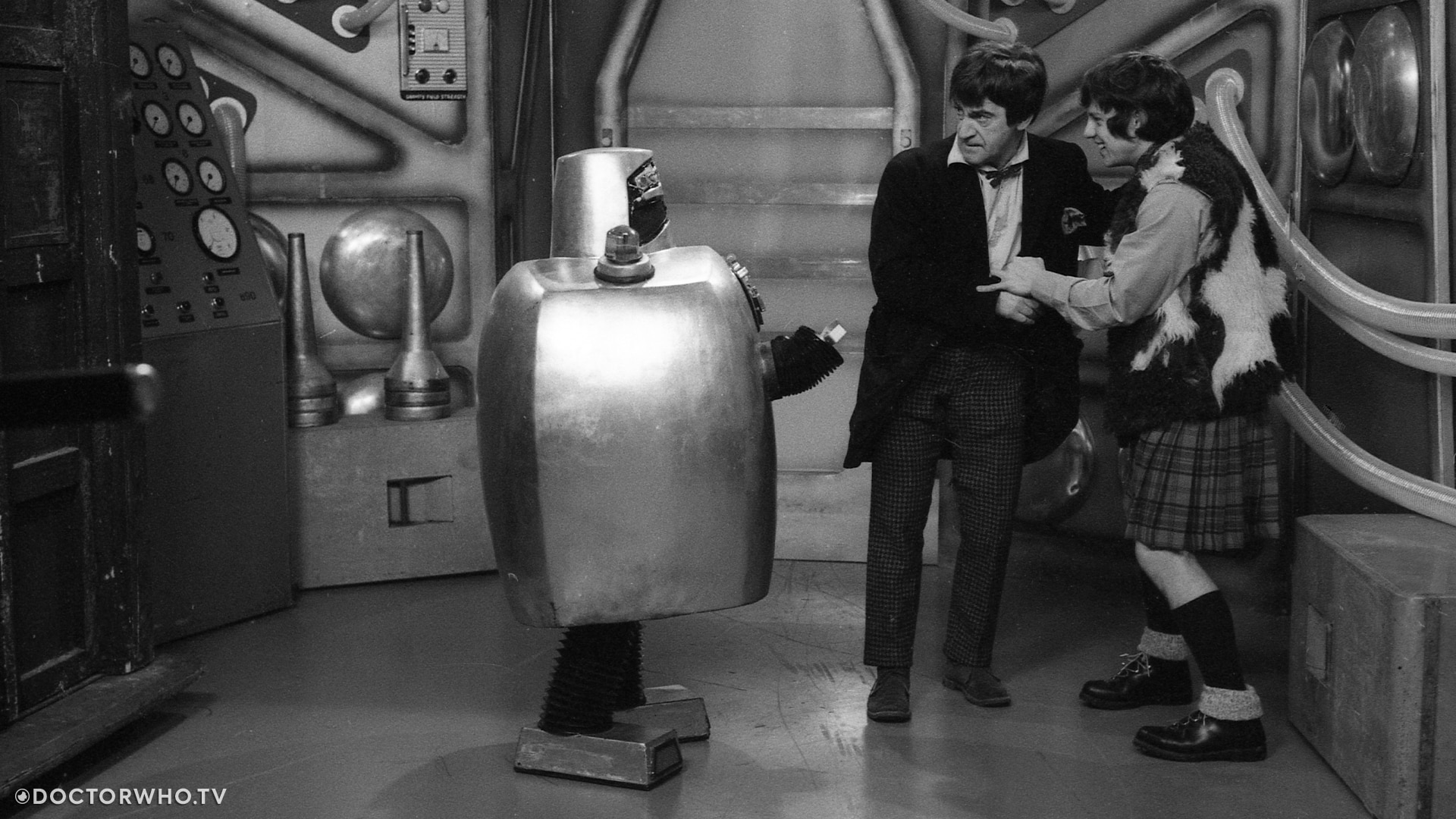
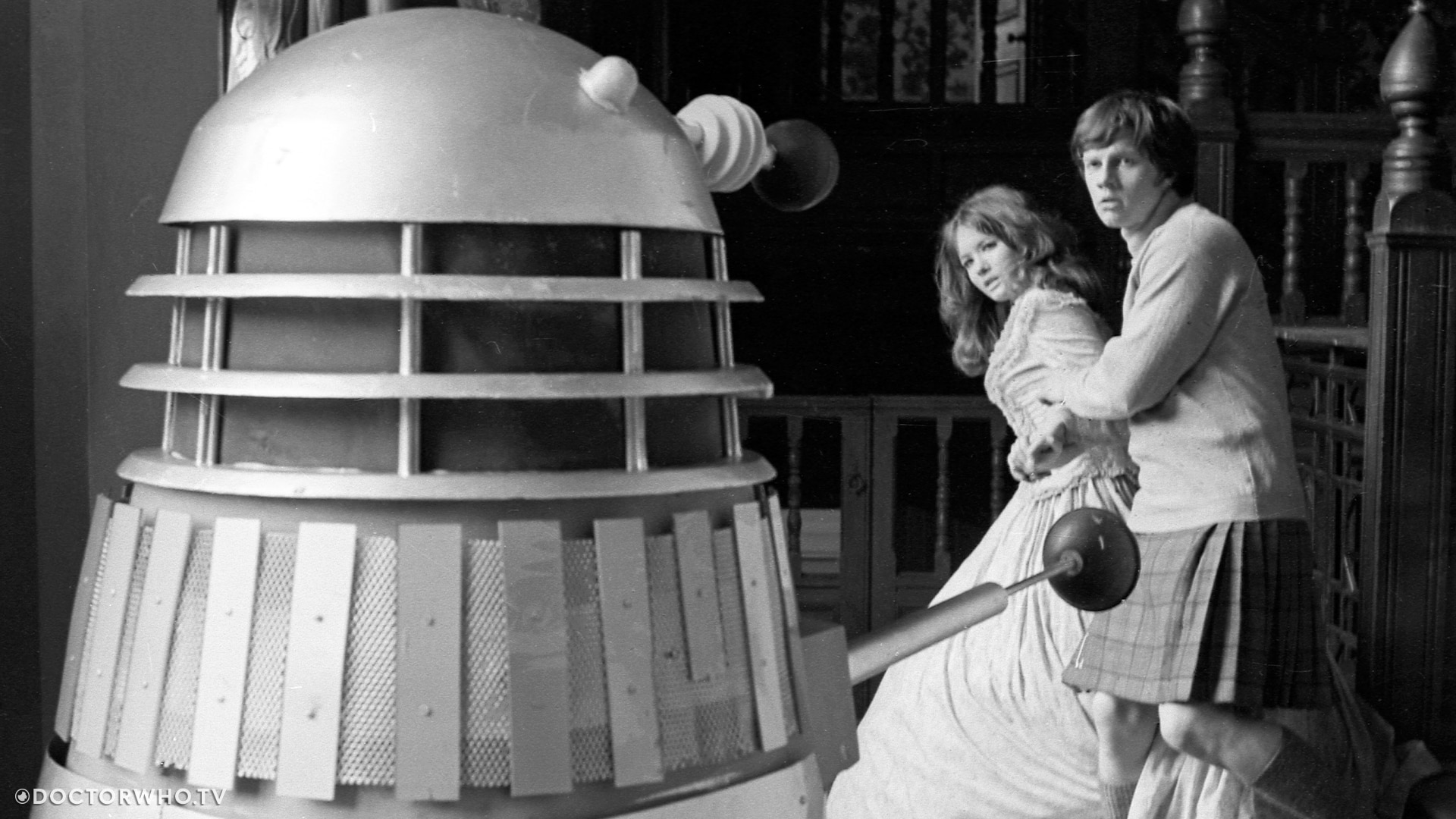
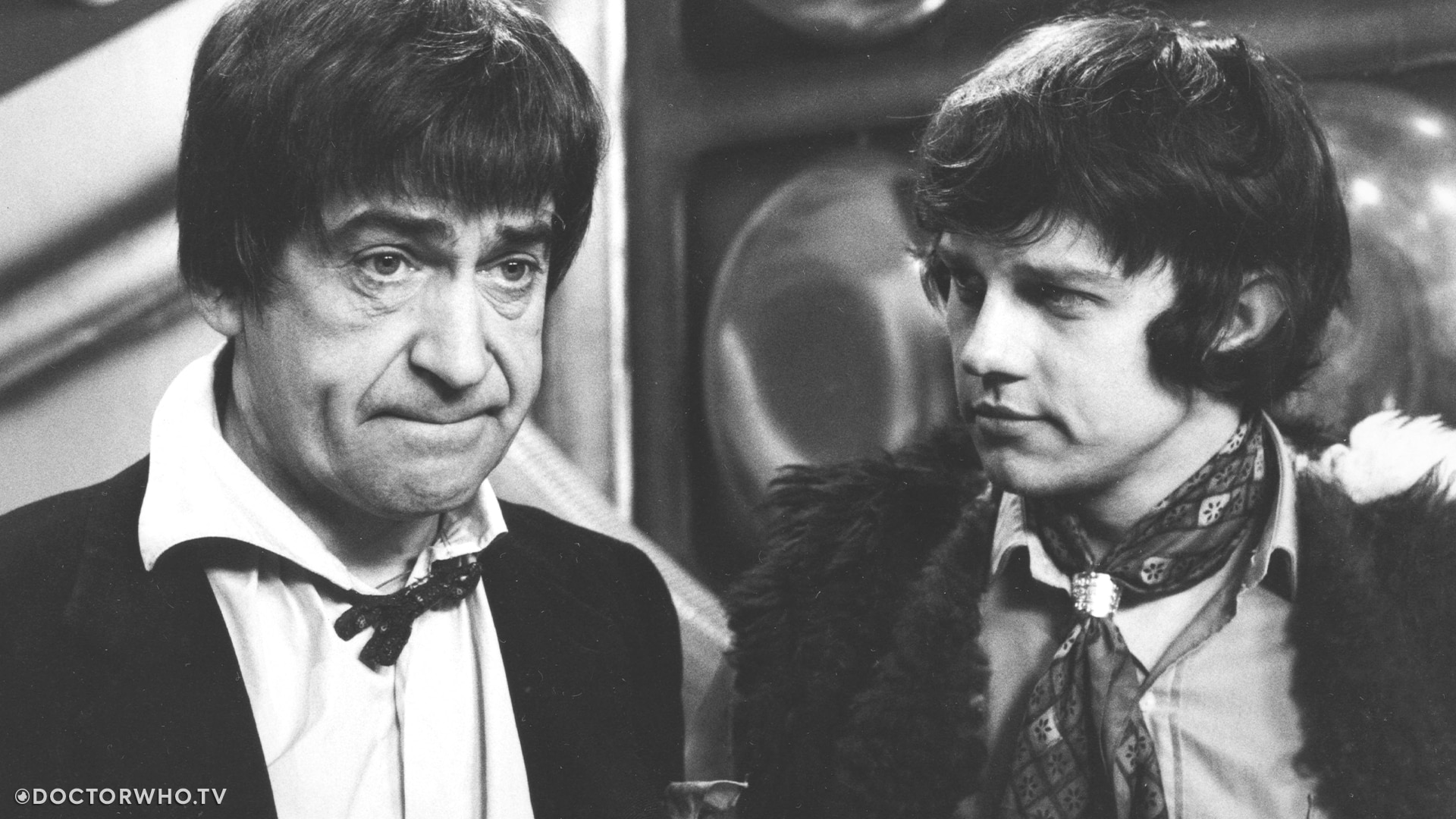
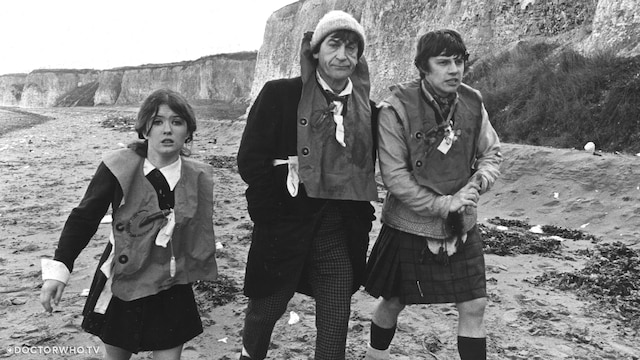
Similarly, Terry Nation’s decision to temporarily withdraw the BBC’s rights to the Daleks seems to have squeezed distribution of Season 4’s The Power of the Daleks and The Evil of the Daleks, but the rest of Patrick Troughton’s era hasn’t fared much better.
Quite a lot of the First Doctor’s era survives – possibly due to episodes being in circulation longer and therefore being more widely distributed around the globe than the Second Doctor’s. While there are many complete stories from each William Hartnell season, there are no complete stories from Season 4, and only two from Season 5.
A lot of The Third Doctor’s era is still technically incomplete. Although you can watch all of it on Blu-ray collection boxsets, some of the episodes look a little odd. This is because the videotapes of many of his stories were wiped, and only black and white film recordings were made available for international sale.
For many years Episode 1 of Invasion of the Dinosaurs was missing completely. Because it was broadcast just as Invasion, any film recordings were mistakenly destroyed as being part of the Patrick Troughton story called The Invasion.
Below is an exhaustive list of every Doctor Who serial with missing episodes to date:
Season 1
- Marco Polo (7/7 episodes missing)
- The Reign Of Terror (2/6 episodes missing)
Season 2
- The Crusade (2/4 episodes missing)
Season 3
- Galaxy 4 (3/4 episodes missing)
- Mission to the Unknown (1/1 episode missing)
- The Myth Makers (4/4 episodes missing)
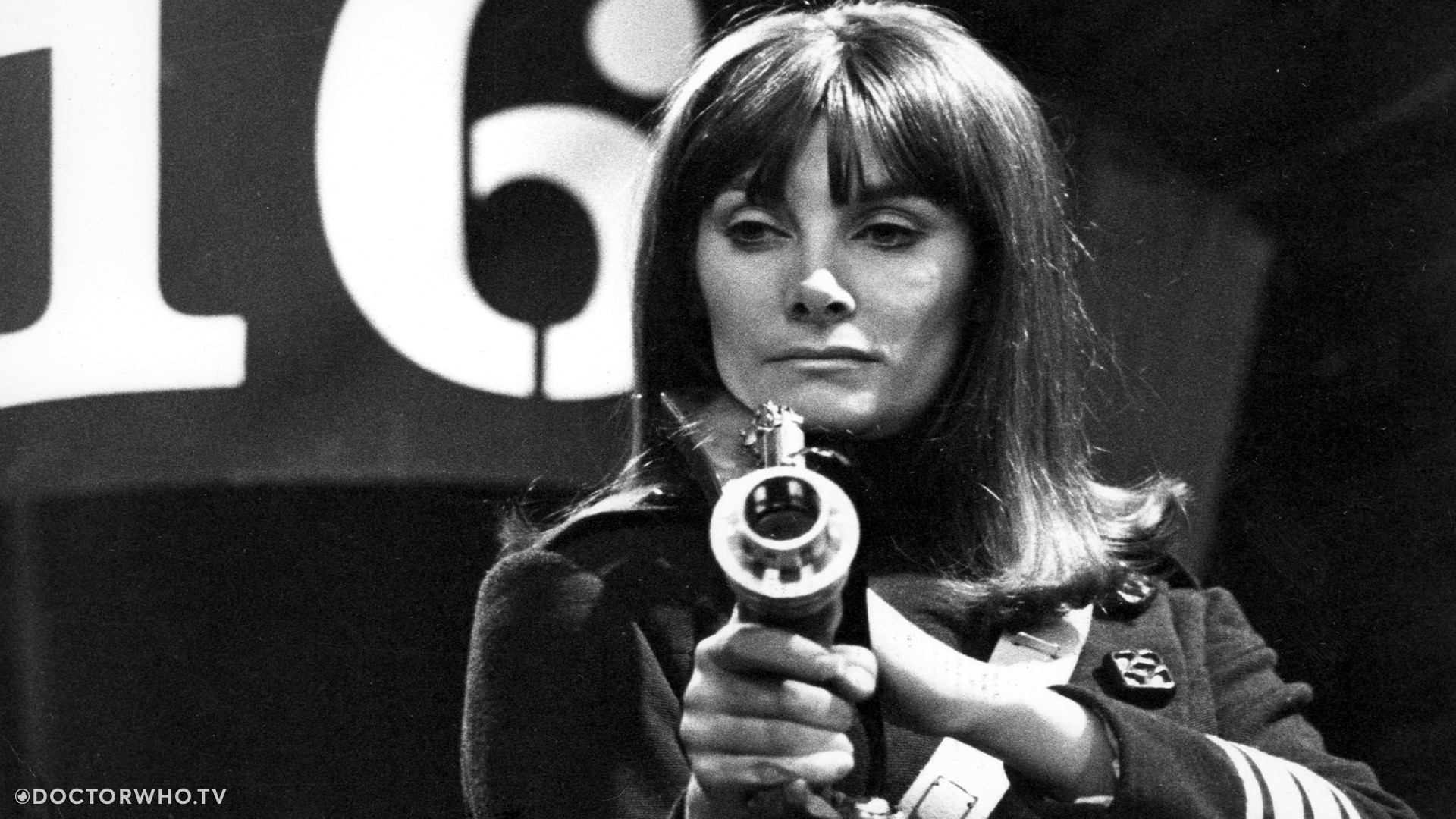
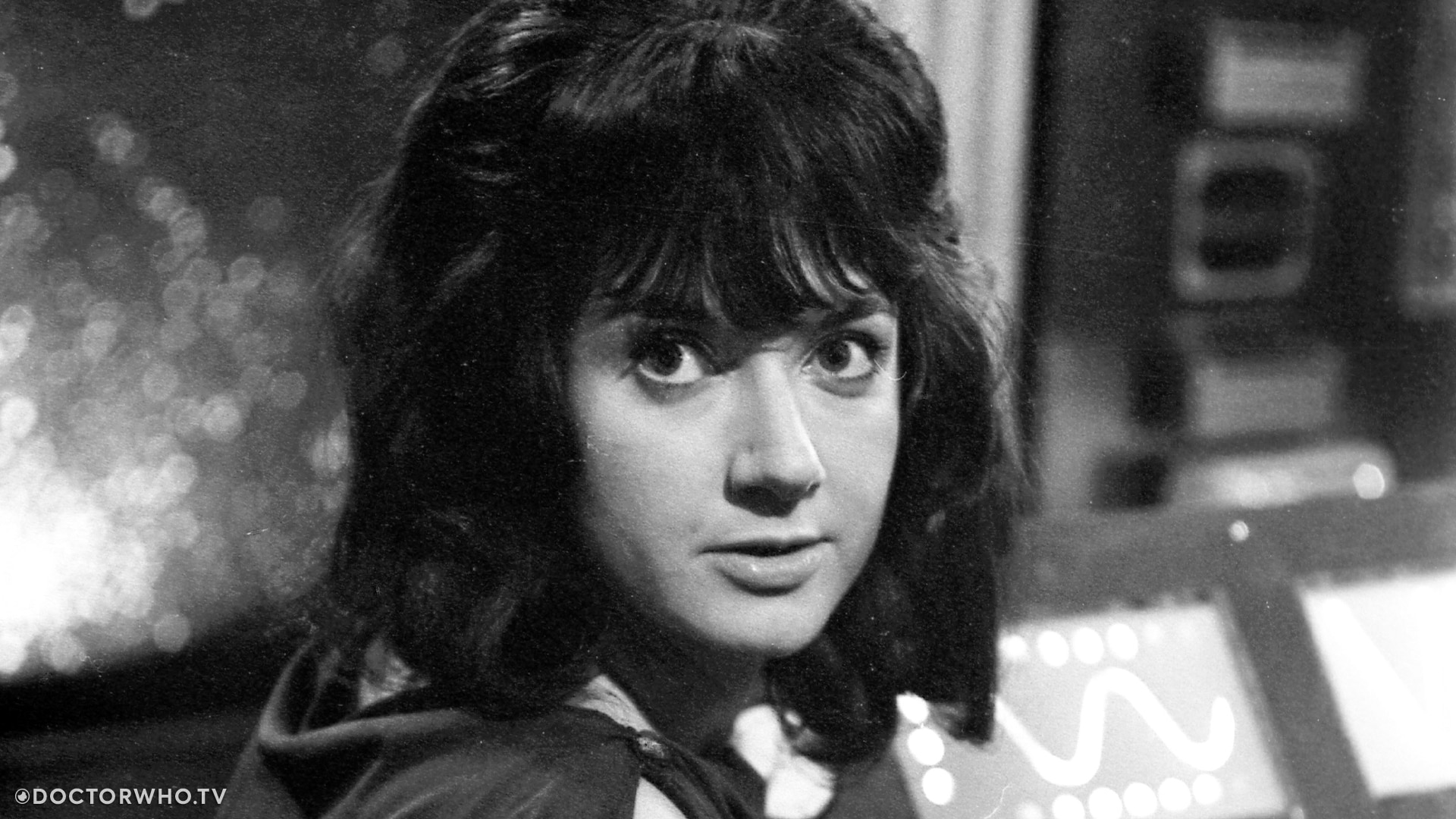
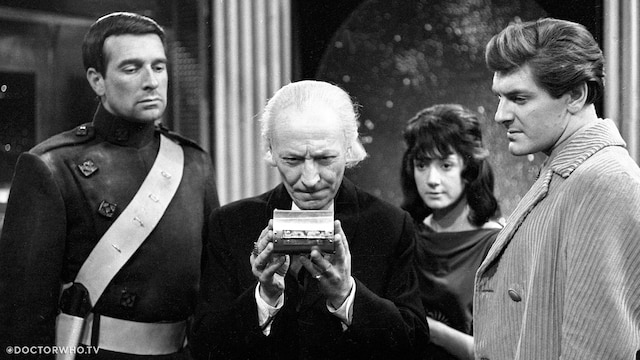
- The Daleks’ Master Plan (7/12 episodes missing)
- The Massacre (4/4 episodes missing)
- The Celestial Toymaker (3/4 episodes missing)
- The Savages (4/4 episodes missing)
Season 4
- The Smugglers (4/4 episodes missing)
- The Tenth Planet (1/4 episodes missing)
- The Power of the Daleks (6/6 episodes missing)
- The Highlanders (4/4 episodes missing)
- The Underwater Menace (2/4 episodes missing)
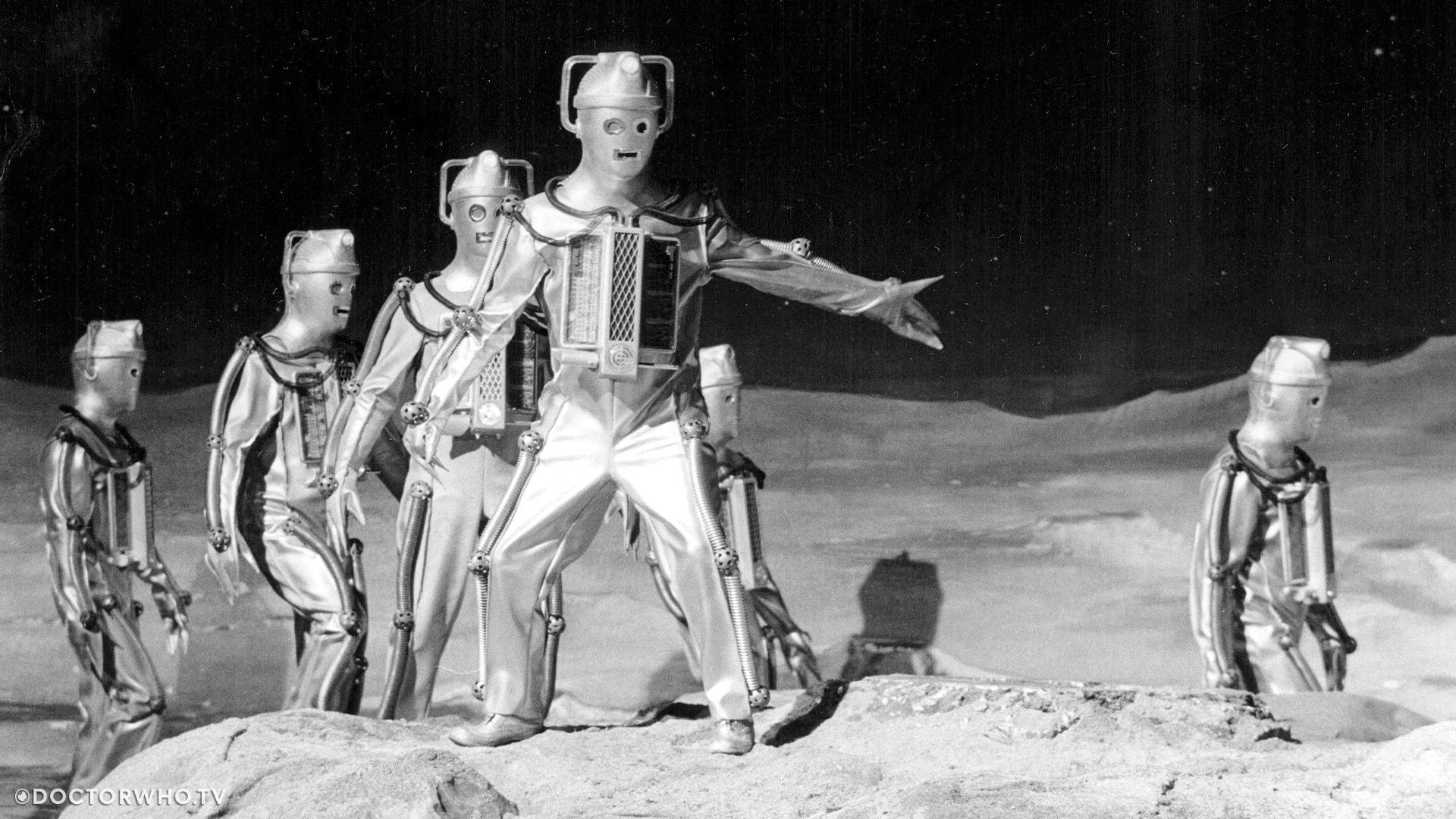
- The Moonbase (2/4 episodes missing)
- The Macra Terror (4/4 episodes missing)
- The Faceless Ones (4/6 episodes missing)
- The Evil of the Daleks (6/7 episodes missing)
Season 5
- The Abominable Snowmen (5/6 episodes missing)
- The Ice Warriors (2/6 episodes missing)
- The Web of Fear (1/6 episodes missing)
- Fury from the Deep (6/6 episodes missing)
- The Wheel in Space (4/6 episodes missing)
Season 6
- The Invasion (2/8 episodes missing)
- The Space Pirates (5/6 episodes missing)
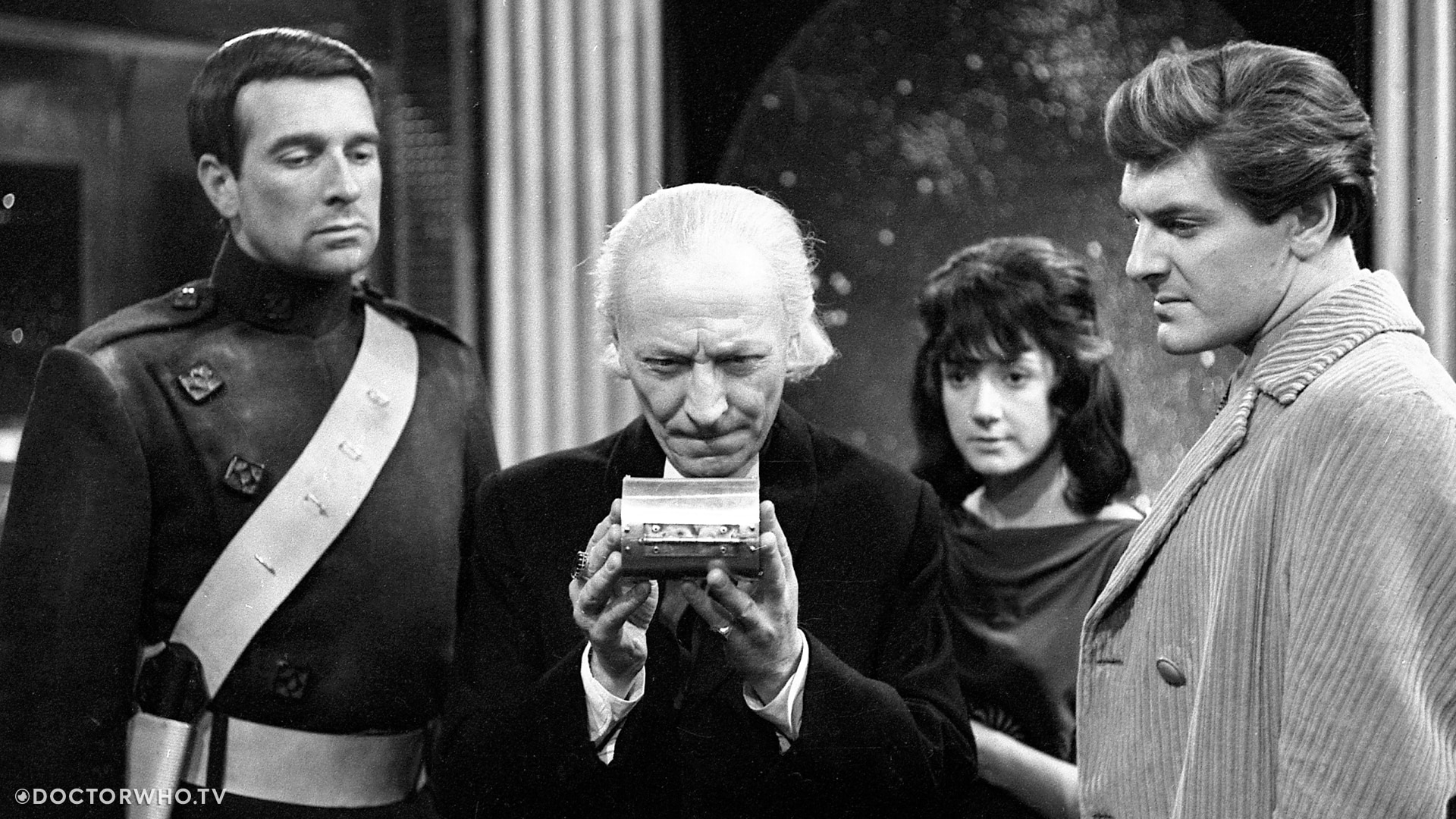
Where were the missing episodes of Doctor Who?
A lot of finds were made by diligent approaches to the various international TV stations who had brought Doctor Who. Some had kept expired episodes on shelves, either meaning to send them back, or had just forgotten about them. Sue Malden’s efforts at contacting them were assisted by fans such as Ian Levine.
A remarkable find was made in 1996 by researchers Damian Shanahan and Ellen Perry. Although many episodes bought by Australia no longer exist, the Australian Film Censor had kept copies of all the bits they’d snipped out as unsuitable for children. So, although Fury from the Deep was wiped in 1974, we can still glimpse some of the nastiest bits of it.
Talk me through the history of missing episodes that have returned.
In 1992, a television station in Hong Kong famously contacted the BBC to say they’d found some old film cans. The result was the return of the Second Doctor serial The Tomb of the Cybermen.
In 2013 it was announced that archive researcher Philip Morris was in Nigeria helping catalogue their holdings when he discovered The Enemy of the World and The Web of Fear in a remote relay station (apparently one episode mysteriously went missing after he’d located it).
And as recently as March 2026, Film is Fabulous! announced it had recovered two episodes of The Daleks’ Master Plan from the estate of a private film collector. Although the story was never sold internationally, “cutting copies” were made for technical checking before a set of prints were sent to Australia (before being returned as too violent).
Some of these prints made their way into private collections who have found various ways of returning them to the BBC. This might explain the somewhat peculiar story in 1983 about the recovery of two episodes of Master Plan apparently from the basement of a Mormon chapel in South London.
Though, some episodes may be lost forever. One of the last known locations of episodes was in Sierra Leone. A long-running civil war there made it off limits to researchers, and by the time the conflict ended in 2002 the national television archives were apparently destroyed.
The Feast of Steven – an episode of The Daleks’ Master Plan – was made as a standalone Christmas special, but it seems to have never been recorded for sale abroad.
Will any more missing episodes of Doctor Who be found?
Recent finds by Film Is Fabulous! prove that we should never give up hope.
The Nightmare Begins and Devil’s Planet, two previously missing episodes from The Dalek’s Master Plan, are now streaming on BBC iPlayer in the UK and on the Doctor Who Classic YouTube channel in the US.


