
April 08, 2026
We interview Sue Malden, former BBC archivist and trustee of Film is Fabulous!, about what it takes to recover and restore lost media such as the First Doctor’s missing adventures…
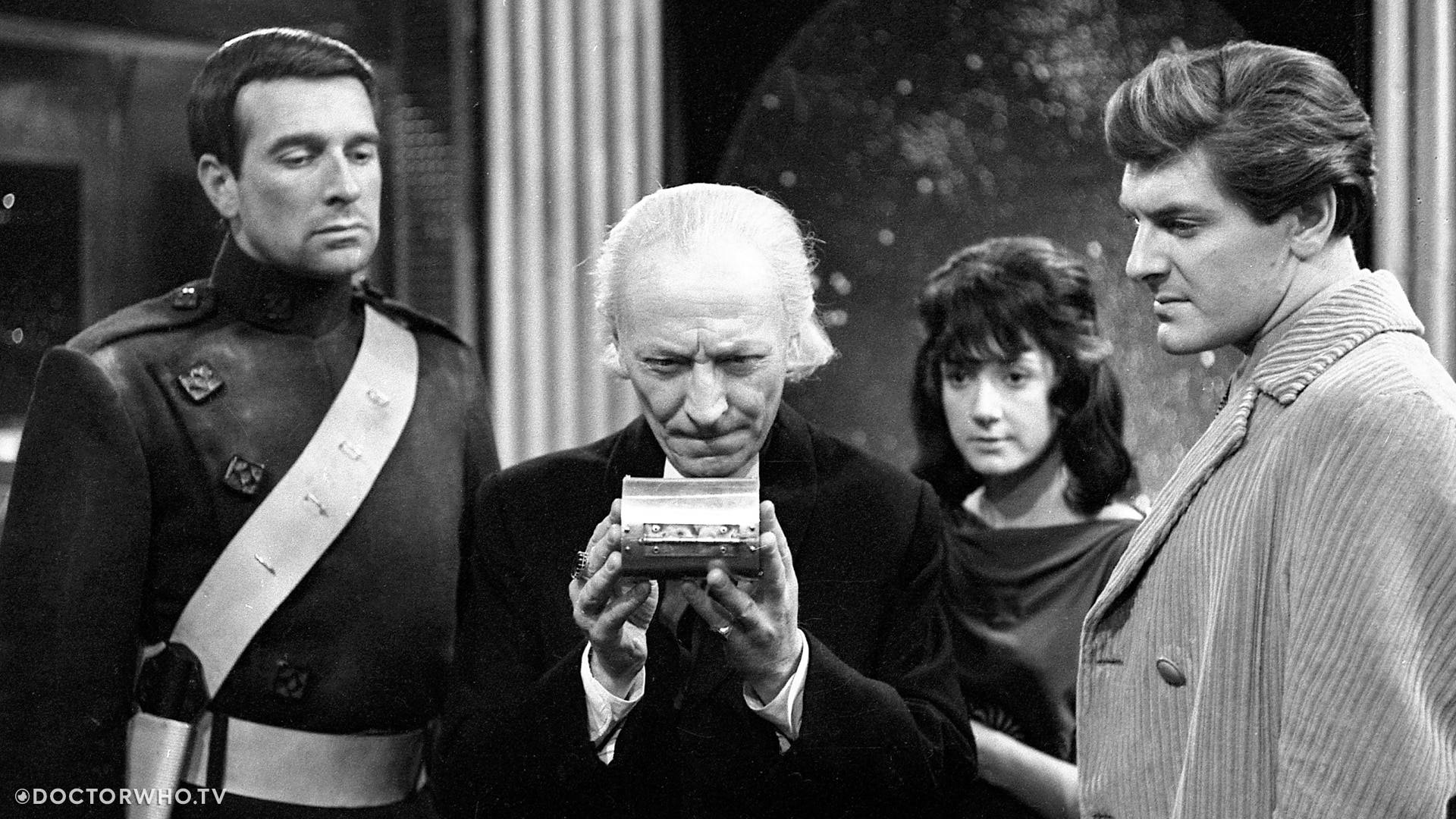
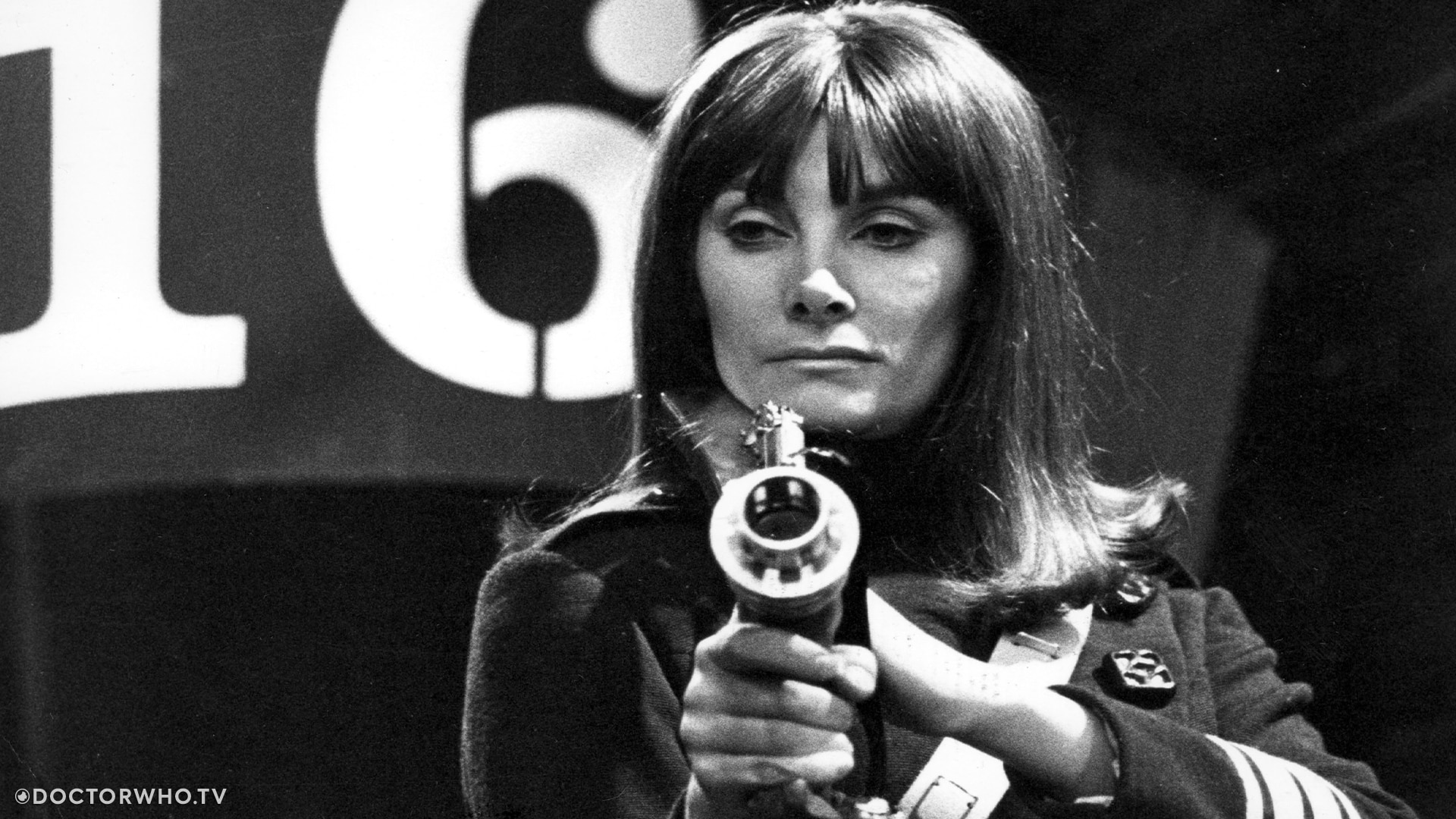
For the first time in 13 years, newly discovered Doctor Who episodes once thought missing have debuted on BBC iPlayer (Friday, 3 April) in the UK, and on the Doctor Who Classic YouTube channel in the US. The Nightmare Begins and Devil’s Planet, both from the First Doctor serial The Daleks’ Master Plan, were discovered by Film is Fabulous!, a charitable trust dedicated to preserving and restoring film. Their work encourages private collectors of film and television to catalogue and share what they hold, to ensure the preservation of decades of art and media. Among their board of trustees is Sue Malden, archivist and the BBC’s first television archive selector, known for starting the decades-long project of seeking out missing Doctor Who episodes.
We spoke to Sue about her work with Film is Fabulous!, her background as an archivist, and how the latest batch of missing Doctor Who episodes were found...
Tell us a bit about how Film is Fabulous! came to be?
I was speaking on a panel about missing episodes at a Doctor Who event near Milton Keynes in 2024, and afterwards I was approached by John Franklin, a film collector and fellow FiF! trustee. He knew that I had previously been head of BBC Broadcast Archives and had organised a “treasure hunt” of missing Doctor Who episodes.
John was concerned about the vulnerable status of many collections of film and TV that people had dedicated their lives to, but had no contingency plan for after they passed on. Many haven’t made lists or shared with their families what they have, and the idea that a grief-stricken family might unknowingly dispose of a valuable film collection felt tragic.
Initially we thought Film is Fabulous! needed to encourage collectors to list or catalogue what they had, and to convince them to create a codicil or note in their will about what should happen with their collections. But we were soon inundated with messages from collectors and their families, sharing concerns about what would happen to their personal archives if their health declined. So John leapt into action, and we formed our board of trustees.
The unfortunate death of a young collector left his partner with a huge collection of television recordings, so we stepped in to help and used this as a case study. It showed us what we could potentially find in these collections and how to handle them. We quickly realised that we needed storage space and equipment, but assessing this collection also helped us understand that one of the key things we could do is uncover any content that was missing from main archives.
What are the biggest challenges between discovering missing media and returning it to the rights holders?
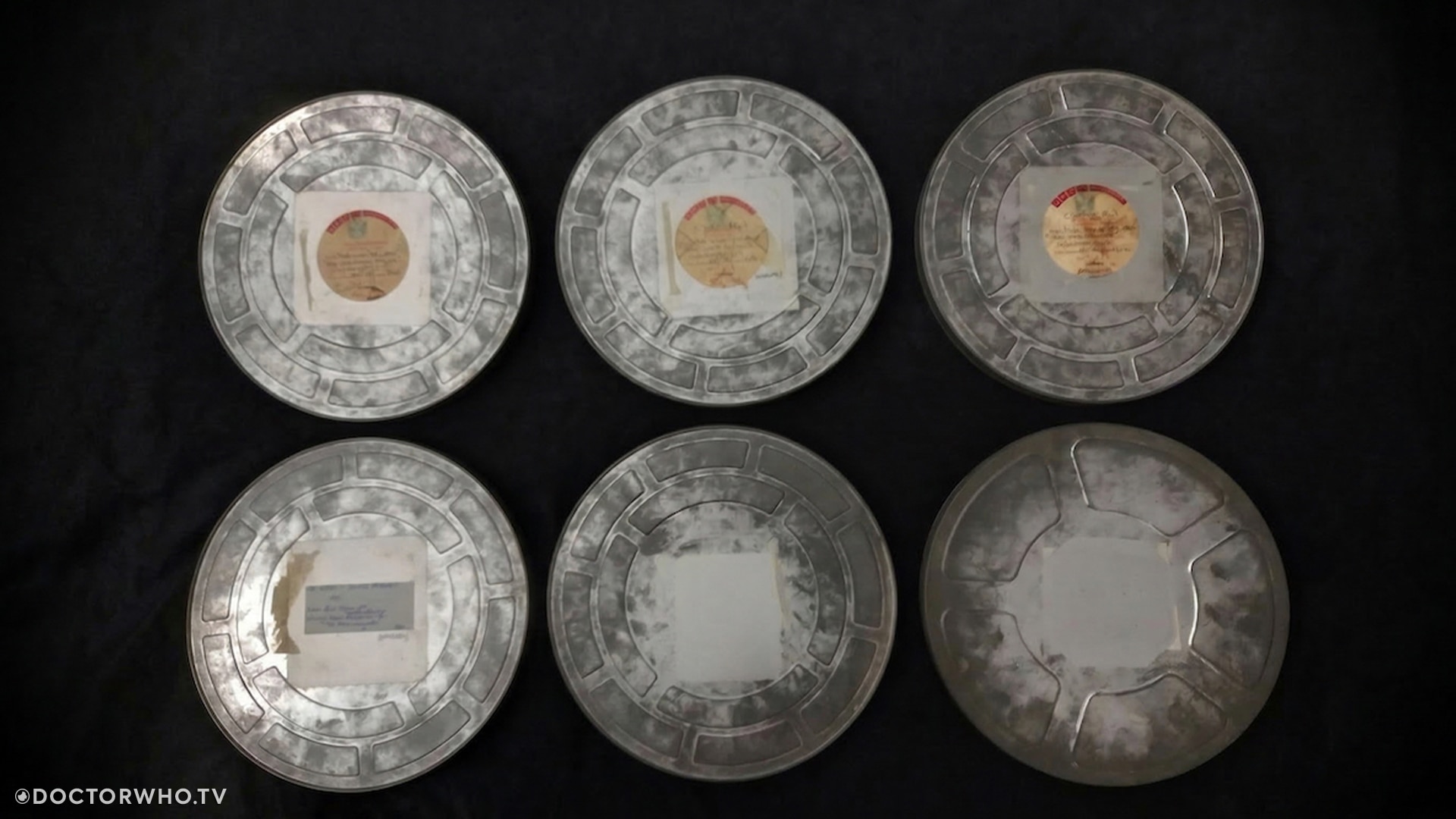
You can never be sure that what it says on the outside of the can is what you’ll find on the inside! In today’s digitised world, archives are also less interested in holding original film, so we’ve started helping with digital scanning in our work.
There’s also the process of checking whether what we’ve found is actually missing from archives. We have to contact the appropriate archivists (which is often the BBC), and confirm: are they missing this? Would they like it back? Is it unique?
How did the missing episodes from The Daleks’ Master Plan come to be found?
John Franklin knew a collector who had recently fallen ill and was helping him sort through his collection. Sadly, the collector died, and John had his collection moved into our store. Lo and behold, six Doctor Who episodes were found! Four were already in the BBC archive, but old film is very vulnerable, so it’s always worth checking in these discoveries if something we found might be of better quality than what’s already held.
John handled everything with kid gloves – not just the cans of delicate film, but the whole process. He ensured people didn’t get too worried or excited, until we were certain that the content was really there and could be scanned and digitised. He also had to ensure the BBC would show the episodes again, as fans and collectors value the opportunity to see what’s been found. Obviously it’s great finding things, but that’s only half the job – so it’s very exciting that they’re now airing on BBC iPlayer.
What do you think this discovery means for the future of more missing episodes?
I really hope it will encourage other collectors to come forward! It’s partly why I belaboured the point of showing the episodes we found. The idea of recovering something and then shoving it back on a shelf, never to be seen, can be discouraging, and we know it to be an inhibiting factor – so we do hope that showing these episodes will encourage people to take stock of what they have and start making a list.
Returning to the original purpose of Film is Fabulous!, it will hopefully also encourage people to think about what may happen to their collections after they’re gone – and this goes for vinyl, stamps or anything else. There is something nice about collecting without logging; so many people spend their lives collecting and don’t even know what they’ve got, or what will happen to it after.
When it comes to Doctor Who, I’ve consistently said that all episodes were recorded, so they’ve got to be somewhere. The fact that these two have surfaced after 13 years shows it’s still possible!
What advice do you have for creatives about preserving their work in the present day?
Make as many copies as you can and share your work with friends and family – that ensures a copy will survive somehow! I’m a traditional archivist, though, and I believe that media and programmes should ultimately be safely kept in proper archives. But we need to recognise this on a societal level, and ensure the arts are better funded to maintain proper film and television archives. Many underestimate how culturally important these are until they’re gone.
An example I’ve shared in lectures in the past is Pol Pot’s “Year Zero” in the ‘70s, which sought to erase and reset Cambodian culture. In particular, traditional temple dancing had been banned, and archive footage of the practice was destroyed. However, some footage survived in a French archive and was later returned. Today, temple dancing is thriving again in Cambodia, but 20 years ago it had almost been wiped out. So as a society, we ought to realise the importance of film and television archives to our culture.
Is there a particular piece of media, Doctor Who or otherwise, that you’d love to rediscover above all else?
Bob Dylan in the play Madhouse on Castle Street. He came to the UK to appear in the play, and it was filmed, I think, in 35mm and broadcast on the BBC in January 1963. But it never made it into the archive – so who knows where it is? Did it go in a skip, or did it go into somebody’s collection? That would be my number one find.
If you could go anywhere in time and space in the TARDIS, where would you go?
I spend a lot of time in Greece at the moment, and I wouldn’t mind seeing what Ancient Greece was like – though I have a feeling that ancient times weren’t the best for women. But I’d also like to get back to the ‘60s, just to have a word with people...
Thanks to the work of Sue Malden and her fellow trustees at Film is Fabulous!, The Nightmare Begins and Devil’s Planet are now streaming on BBC iPlayer in the UK and on the Doctor Who Classic YouTube channel in the US.


